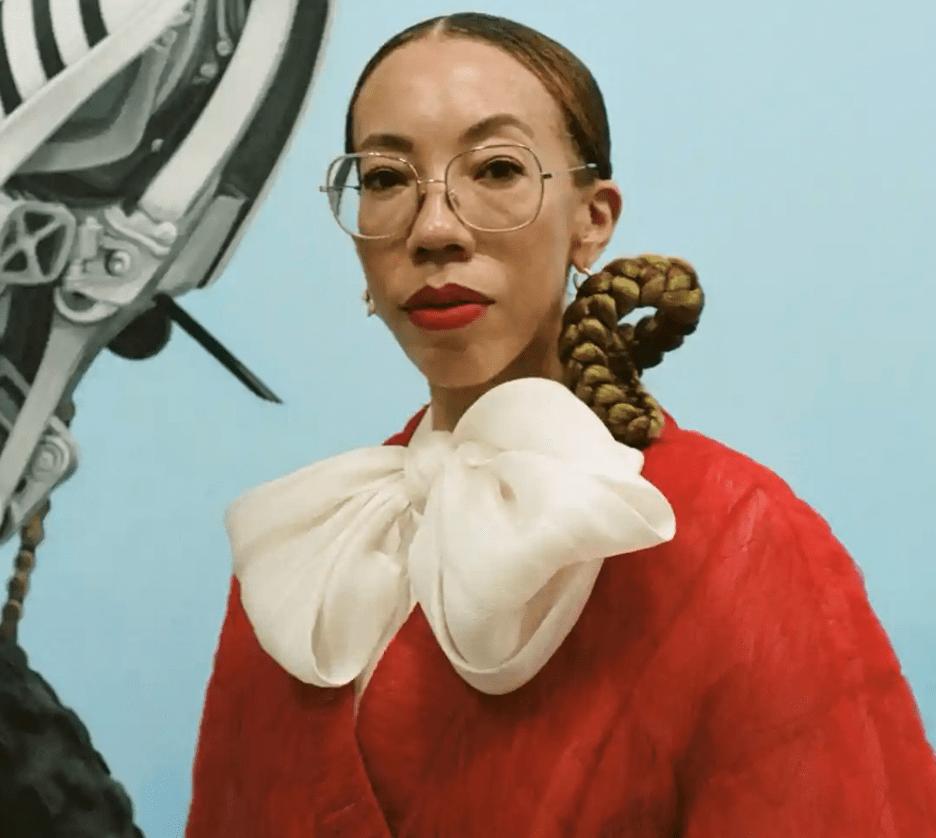
Amy Sherald is famously known for portrait of Michelle Obama – becoming one of the first Black artists to receive presidential portrait commissions from the National Portrait Gallery. Her work nowadays currently sells for upwards of 4.2 million; however, she does not take this influence lightly. Sherald’s role in the community is much more than an artist. She stands as a leader in the world of arts, unafraid of letting her voice and message speak out even when putting her own exhibition at stake.
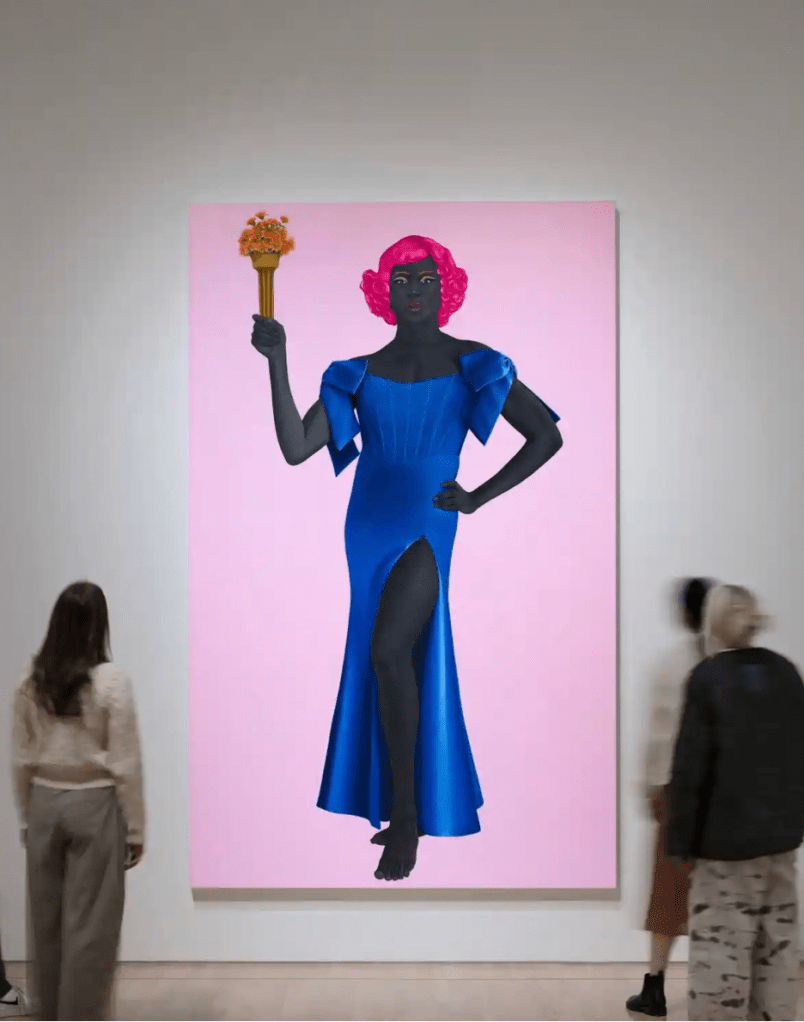
Sherald recently collaborated with Smithsonian’s National Portrait Gallery for her upcoming show American Sublime. The rise in controversy came with her painting of a transgender Stature of Liberty, which the Smithsonian asked her to remove due to fears of upsetting President Donald Trump. In response, Sherald cancels the show altogether.
The Smithsonian has been receiving quite a lot of backlashes recently for the influence it receives by the US government. Though not directly related, the agency was both created by Congress and currently is constantly scrutinized by officials. Through Trump’s executive order signed in March, he describes the institution as coming under “the influence of a divisive, race-centered ideology” that would soon be reverted back “to its rightful place as a symbol of inspiration and American greatness.”
Sherald’s work was intended to bring up conversation about the LGBTQ+ community and their vulnerability in today’s world; the collaboration was “a commitment to presenting work that reflects the full, complex truth of American life.” She feels that the Smithsonian no longer shares or wants to encompass this same goal, stating, “it’s clear that institutional fear shaped by a broader climate of political hostility towards tans lives played a role.” Removing the piece especially does more harm than good, highlighting the ability for trans-rights to be easily disregarded.
Though the Smithsonian claims to want to inspire art exhibits filled with diversity, culture, and thought, to what extent will they hold up these values in the face of injustice? On the other hand, in Sherald’s character, we see her, in the same situation, refuse to compromise her beliefs. Her actions pave the way for more women to feel confident in standing their ground against opposition much larger than themselves. This decision was bold, unapologetic, and emblematic of a new generation of women artists who refuse to stay silent.
How will you be influenced by Amy Sherald? Whether through the arts, sports, or simply daily life, I challenge you to find moments where you choose to similarly be authentically yourself. If your voice is not worth fighting for, then what is?
Remember Amy Sherald’s mission. Share her message. Share her story.
 Boundless HER