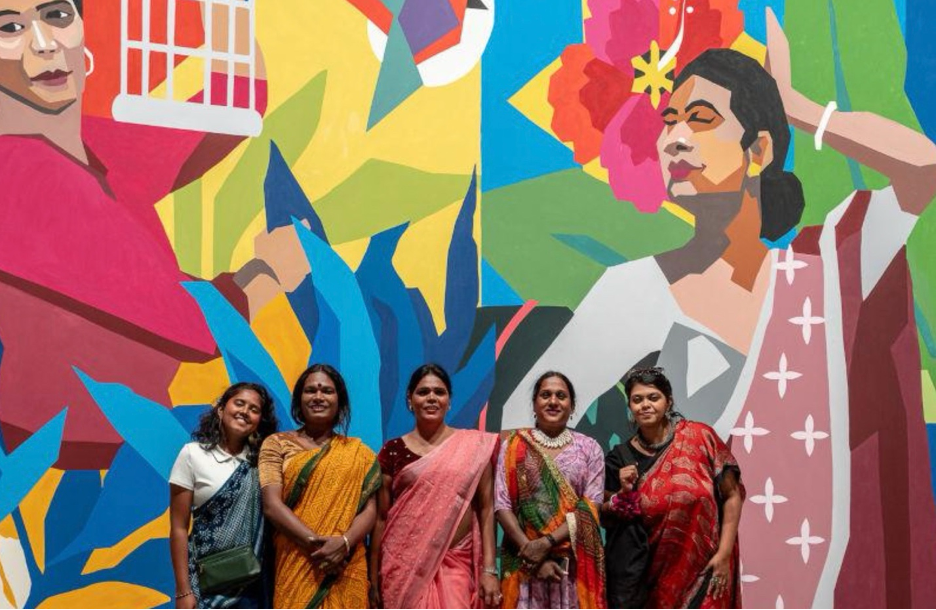
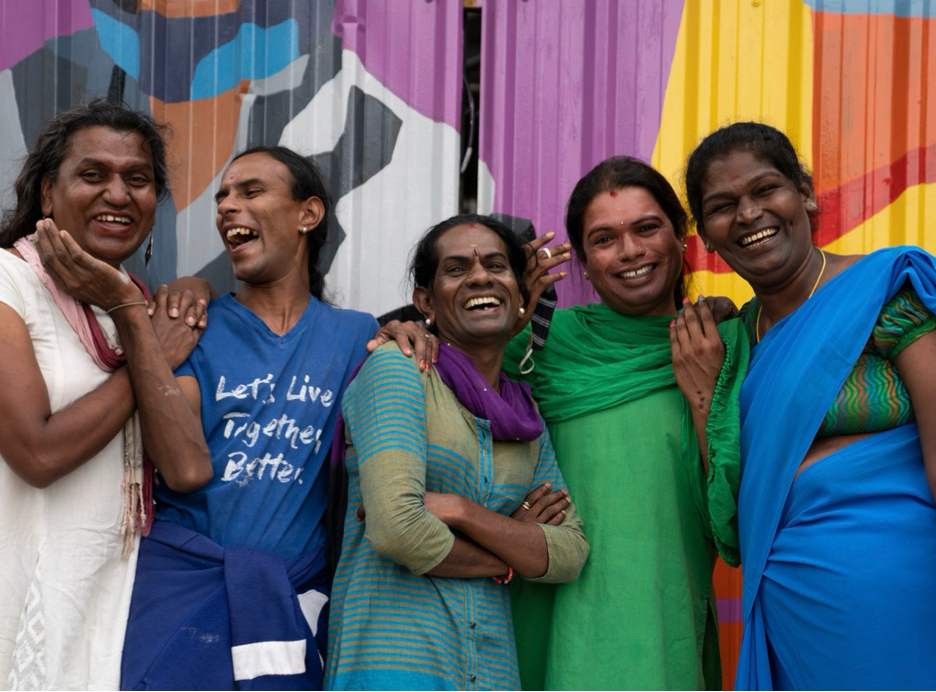
Art is a vessel that reclaims and rewrites the world around us. The Aravani Art Project homes in on this fact, using art as a method to bring the voices from the LGBTQIA+ and transgender community to light. Hosted by both trans and cis women, their mission is to use various art projects in the surrounding community to “reclaim” these spaces from the rising “discrimination, stigma, and systemic inequality” in India.
They are deliberate and passionate with each brushstroke – even the name stems from the patron god of transgender communities, Lord Aravan. Public spaces, such as streets, are among Aravani artists favorite places to work. By painting such large-scaled murals, they open discussion, debate, share stories, and lived experiences in areas that transgender people face “violence, harassment, and social negligence and pressure” to a much larger audience.
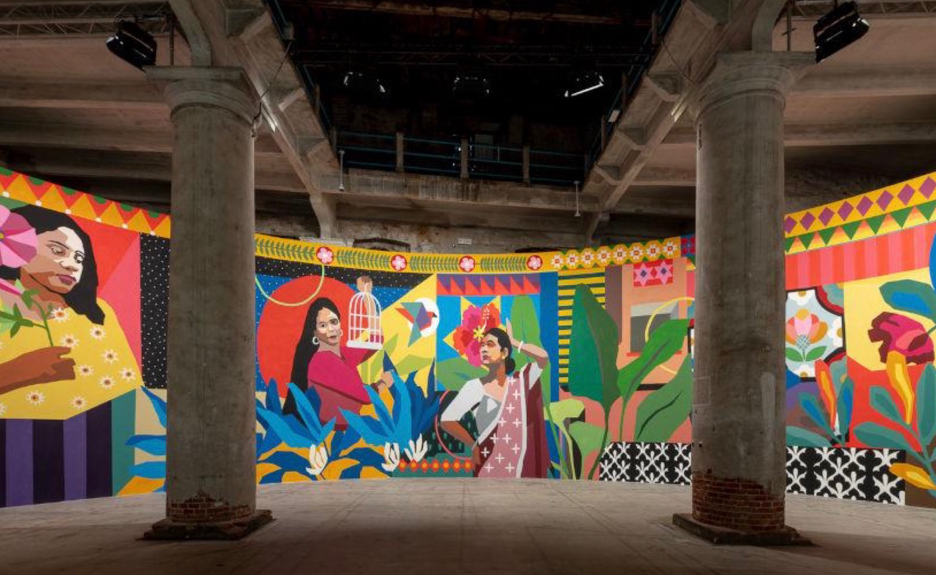
More than just the murals themselves, their art is saturated with symbolism and depth. A large part of trans identity is the transition their bodies undergo, gender dysphoria, and the struggle to overcome the feelings of being an imposter in their own bodies. The colors encapsulate these feelings of instability and having to process such mixed emotions. Moreover, the colors have a double, more positive, notion to them as well. They represent the various pathways that trans individuals may take regardless of the seeming obstacles created by stereotypes and stigmas. It is both a mix of the Indian culture that is brimmed with color in clothing, food, and the architecture around them and a reference to the bright LGBTQIA+/trans flags.

In essence, the Aravani Art Project does far more than decorate walls – it reimagines identity, visibility, and belonging through color and community. By transforming public spaces into affirmations of pride and resilience, it gives voice to those too often silenced, reminding us that art is not just a reflection of the world, but a force that can rebuild it. In each piece lies defiance, dignity, and a demand to be seen.
 Boundless HER