Literature Review / How Acculturation Impacts the Willingness of Latina American Immigrant Women to Access Healthcare: An Exploration Towards Solutions Using the Health Equity Framework.

One of my other larger interests is public health and medicine. Through this paper I wanted to combine this passion with my drive for developing women’s empowerment initiatives.

READ THE ABSTRACT BELOW!!

Abstract: Using the Health Equity Framework, the purpose of this paper is to explore how acculturation (cultural assimilation) has affected the willingness and ability of Latina American immigrant women to access healthcare in their respective communities. Overall, it focuses on the lack of healthcare equality amongst this demographic and how existing systems leave these women with greater health disparities. This paper reviewed academic journals and peer-reviewed literature to collect data and information throughout the paper. The results of the study indicate the impact of stress and/or support from family members, the role of pressured gender roles, how new laws instill a sense of fear and completely restrict these women from accessing healthcare, the cultural values concerning mental health, and explore religion as being the main factors affected by acculturation within each sphere of influence in the HEF – Relationships and Networks, Individual Factors, Systems of Power, and Physiological Pathways. By uncovering the roots of each cultural factor and its interaction with acculturation in a new environment, one can discover the true reason why so many women struggle with poor health outcomes and their health increasingly declines once entering the United States. In conclusion, new research solutions, clinical practices, health system updates, and new services can be enforced in areas with high Latino populations to reduce strain and neglect put on their health and prevent future generations from becoming trapped under the same cyclical system of poverty. Overall, this paper highlights the urgent need for increased health equity amongst immigrants countrywide.

Read More »
Framing Belonging: Black Girls in Art Spaces

Bridging culture with art, Kaci Merriwether Hawkins cultivates a community for Black artists and appreciators. As Merriwether-Hawkins attended various art events and began documenting them online, she realized just how many of her followers rarely even knew these experiences were being hosted around them. She decided to bring it upon herself to make content that directed individuals to such events. However, the work felt “empty” and she wanted to take it a step forward: “I understood what it was like to be Black in a predominantly white art space – I’ve experienced that as a consumer and a creator myself.” ”I was like, It’s not enough to just show people where the art is, let’s help them get there, and, when they get there, let’s make sure that they’re comfortable while they’re there.”

Read More »

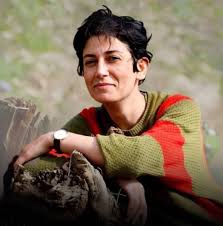
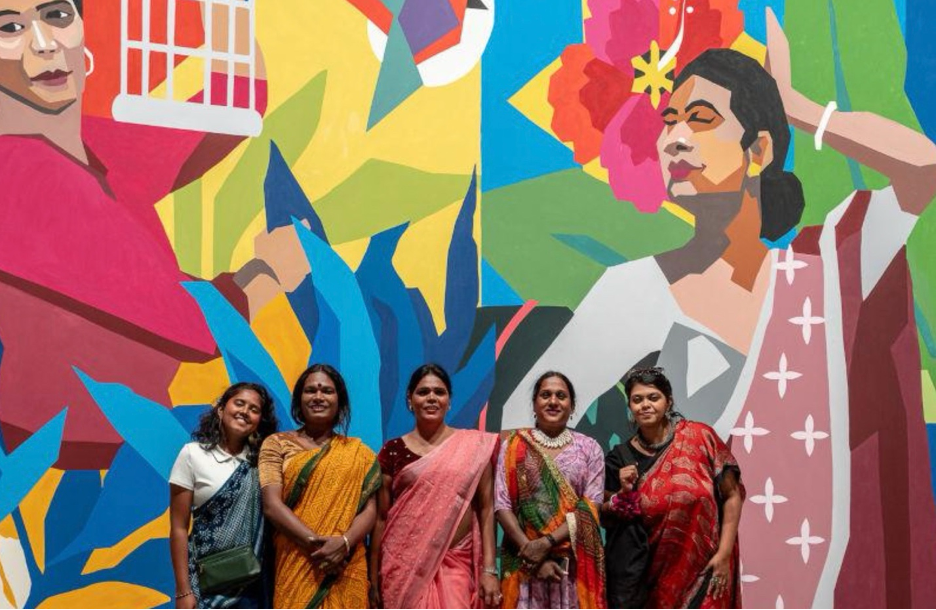
Art as Protest, Art as Healing: Inside the Aravani Art Project

Art is a vessel that reclaims and rewrites the world around us. The Aravani Art Project homes in on this fact, using art as a method to bring the voices from the LGBTQIA+ and transgender community to light. Hosted by both trans and cis women, their mission is to use various art projects in the surrounding community to “reclaim” these spaces from the rising “discrimination, stigma, and systemic inequality” in India.

Read More »

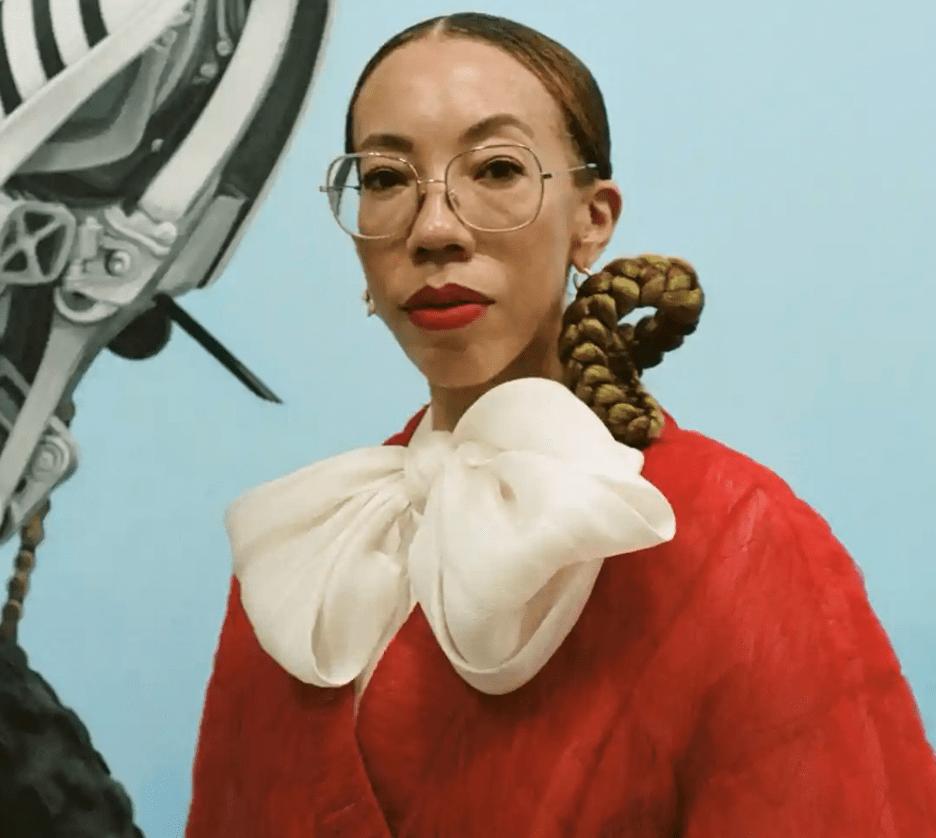
Amy Sherald’s Take on Censorship

Amy Sherald is famously known for portrait of Michelle Obama – becoming one of the first Black artists to receive presidential portrait commissions from the National Portrait Gallery. Her work nowadays currently sells for upwards of 4.2 million; however, she does not take this influence lightly. Sherald’s role in the community is much more than an artist. She stands as a leader in the world of arts, unafraid of letting her voice and message speak out even when putting her own exhibition at stake.

Read More »

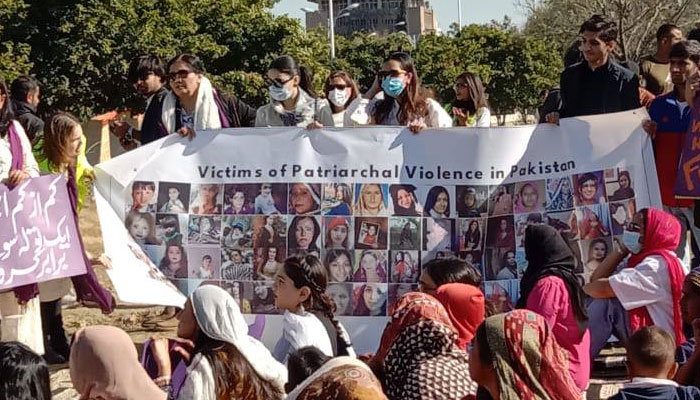
A Broadcast to the World: The 2025 Pakistan Aurat March

‘Meri Jism Meri Marzi.’

The chant, “my body, my choice,” overtakes the streets during the 2025 Pakistan Aurat March. The Aurat March is an annual demonstration hosted on National Women’s Day (March 8th), called Aurat Multan, and Mother’s Day (May 11th), Aurat Karachi Mirdukhas. A symbol of strength and resilience herself, Night Said Khan leads thousands of women, men, and transgendered individuals from her wheelchair. Their main intentions are to protest the patriarchy and advocate for women’s rights.

Read More »